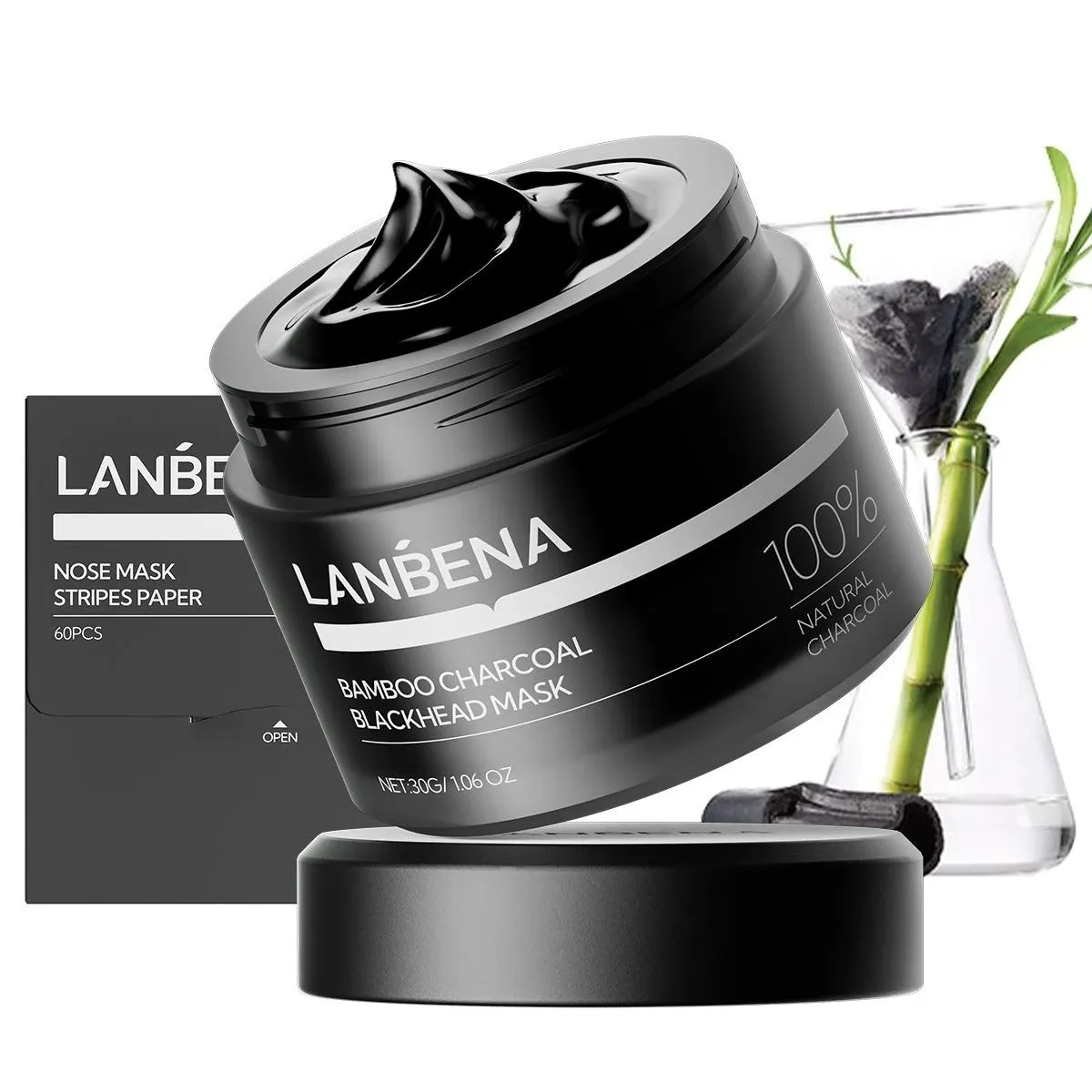
The Ultimate Guide to Black Face Peel Off Mask in the UK

Key Takeaways
- A black face peel off mask is designed to help lift away surface debris, excess oil and some blackheads from the skin, leaving a cleaner, more matte-looking finish.
- Not all formulas work in the same way: ingredients, drying time, adhesion strength and after-feel matter as much as colour or texture.
- For oily and congestion-prone skin, a peel-off mask can be a useful weekly treatment, but it should not replace a consistent cleansing and pore-care routine.
- Used incorrectly, peel-off masks can irritate skin or disrupt the skin barrier, especially on sensitive, compromised or very dry skin.
- Look for well-formulated options that combine purifying ingredients with soothing support, such as the Medicube Zero Pore Blackhead Mud Facial Mask - Skin Cooling.
- In the UK, patch testing, ingredient checking and sensible use are essential, particularly if you have eczema, rosacea, acne treatment sensitivity or NHS-diagnosed skin concerns.
There is a reason the black face peel off mask remains one of the most searched pore-care treatments in the UK: few skincare steps feel as instantly satisfying. When a good formula grips onto built-up oil, dead skin and day-to-day impurities, the payoff is visible. Skin can look cleaner, feel smoother and appear more refined, especially around the T-zone where congestion tends to build.
That satisfaction, though, only tells part of the story. The best results come from choosing the right mask, using it properly and understanding what it can and cannot realistically do. A peel-off mask may help remove loose blackheads and surface debris, but it is not a miracle cure for enlarged pores or chronic congestion. If you want a smarter, safer approach, it helps to know how these masks work, who they suit and what to expect in a UK skincare context.
At BambooMask, the focus is on effective pore care without unnecessary fuss. That is why the site’s hero product, the Medicube Zero Pore Blackhead Mud Facial Mask - Skin Cooling, fits so naturally into this conversation. It is positioned as the satisfying way to lift away blackheads, excess oil and impurities for a refined, matte finish — exactly what many British shoppers want when searching for a black face peel off mask that feels both effective and easy to use.
What is a black face peel off mask?
A black face peel off mask is a facial treatment that dries on the skin and is then removed by gently peeling it away in sections or one full layer. It is typically used to target blackheads, excess sebum, surface impurities and rough texture, most often on the nose, chin and forehead.
The “black” aspect is usually cosmetic but often signals the inclusion of ingredients associated with deep-cleansing, such as charcoal, mineral muds or dark-coloured clays. The peel-off element is what makes the product distinct: once the formula sets, it forms a film that adheres to debris on the skin’s surface. When peeled away carefully, it can help remove some of that build-up.
In practical terms, many UK consumers choose this type of mask because it feels more immediate than a wash-off clay mask. You can often see and feel what has been removed. That tactile result is part of its appeal, particularly for those with visible congestion around the nose and inner cheeks.
How it differs from other black face masks
Not every black face mask is a peel-off mask. Some are rinse-off mud masks, clay masks or charcoal masks that absorb oil and impurities but do not set into a removable film. Others are nose strips designed for one small area rather than the full face.
A black face peel off mask sits in the middle: it offers the gripping action associated with pore strips but can cover more of the face, while also delivering some of the oil-control benefits of a mud or charcoal treatment. That hybrid effect is one reason formulas such as the Medicube Zero Pore Blackhead Mud Facial Mask - Skin Cooling attract interest: shoppers want purifying performance with a fresh, refined finish.
How a black face peel off mask works
The core mechanism is simple. The mask is spread across clean, dry skin. As it dries, film-forming agents create a layer that clings to the skin’s surface. Depending on the formula, this layer may also contain absorbent ingredients that draw in oil and impurities while the mask sets.
When you peel it off, the mask may lift away:
- Loose oxidised sebum at the opening of pores
- Dead skin cells sitting on the surface
- Residual product build-up
- Excess oil
- Fine debris trapped around congested areas
It is important to be precise here. A black face peel off mask does not permanently shrink pores. Pore size is influenced largely by genetics, age, skin elasticity and oil production. What a good mask can do is improve the look of pores by clearing what is making them appear more obvious.
Why blackheads seem to improve after use
Blackheads are open comedones — pores clogged with sebum and dead skin that have oxidised, causing the dark colour. If a peel-off mask removes some of that oxidised material from the pore opening, the blackhead becomes less visible. Skin may then look clearer and smoother.
That said, deeply embedded comedones often need repeated care over time rather than a single dramatic treatment. This is why realistic expectations matter. The best black face peel off mask should be seen as part of a routine, not the entire routine.
Why the cooling effect matters
A skin-cooling finish can make a noticeable difference to the overall experience. After peeling, skin may feel warm or temporarily flushed, particularly on the nose or cheeks. A formula designed to leave a cooler, fresher feel can help skin feel more comfortable and balanced after treatment. That is one of the reasons BambooMask’s featured Medicube mask stands out in a crowded category.
Who should use a black face peel off mask?
The ideal user is someone dealing with visible congestion, excess oil, a shiny T-zone or recurring blackheads. In the UK, this often includes people managing combination skin through seasonal shifts — for example, oilier skin during warmer spells and congestion worsened by central heating, heavy SPF, commuting pollution and indoor dryness during colder months.
Best skin types for this kind of mask
- Oily skin: often benefits from the oil-lifting and mattifying effect.
- Combination skin: especially useful when applied mainly to the T-zone.
- Congestion-prone skin: can help with the look of clogged pores when used sensibly.
- Normal skin with occasional blackheads: useful as a targeted maintenance treatment.
Who should be more cautious
Not every skin type gets on well with peel-off formats. If you have very sensitive skin, active rosacea, eczema, a damaged skin barrier, recent facial waxing, broken skin or significant irritation from acne treatments, a black face peel off mask may be too aggressive.
The NHS advises taking care with products that can irritate skin, particularly if you have eczema or sensitive skin conditions. If your skin is already inflamed, stripping away surface material mechanically may worsen discomfort rather than help. If in doubt, patch test first and speak to a pharmacist, GP or dermatologist for personalised advice.
Teenagers and adults: does age matter?
Blackheads can affect both teenagers and adults. According to the NHS, acne is very common, affecting most people at some point in their lives, with blackheads and whiteheads among the recognised symptoms. That means there is broad demand for pore-focused treatments across age groups, not just among teenagers. Adults in their 20s, 30s and beyond often continue to deal with blackheads, especially around the nose and chin.
Source: NHS information on acne notes that acne affects most people at some point and includes blackheads among its common features.
Benefits of using a black face peel off mask
When chosen well and used correctly, this type of mask can deliver several practical benefits. The key is to separate genuine skincare value from exaggerated claims.
1. It can visibly lift surface congestion
The most obvious benefit is the immediate removal of loosened pore debris and dead skin from the surface. This can be especially satisfying on the nose, where blackheads tend to be most noticeable.
2. It helps skin look more matte
For people who become shiny quickly, especially across the forehead and nose, a black face peel off mask can help reduce the appearance of excess oil. This leaves skin looking fresher and can help makeup sit better afterwards.
3. It may refine the look of pores temporarily
By clearing the material that stretches or highlights pore openings, the skin can appear smoother and more even. The effect is cosmetic and temporary, but often worthwhile.
4. It offers a quick weekly reset
Unlike more complicated treatments, a peel-off mask is straightforward. For many people, that ease makes consistency more likely. A simple weekly or twice-weekly treatment is often more realistic than an overcomplicated routine.
5. It supports a cleaner-feeling skin surface
Environmental grime, sunscreen residue and excess sebum can all contribute to that “blocked” feeling. A well-formulated black face peel off mask can leave skin feeling clearer without the heaviness that some richer masks create.
What a black face peel off mask cannot do
Authority and trust matter in skincare advice, so it is worth being direct. A black face peel off mask has limits. It cannot:
- Permanently shrink pores
- Cure acne on its own
- Remove every blackhead in one go
- Replace daily cleansing and ongoing exfoliation
- Fix deeper congestion caused by hormones or chronic oil imbalance
If a product claims otherwise, approach it with caution. In the UK, cosmetic products must comply with safety requirements under the UK Cosmetics Regulation framework. Sensible claims and transparent ingredient communication are a sign of a more trustworthy brand approach.
How to choose the best black face peel off mask in the UK
The British market is full of masks that look similar on the shelf or on screen. What separates a good option from a disappointing one is usually not the marketing image but the formula experience and after-effects.
Look for balanced purifying performance
You want a mask that actually grips onto oil and impurities, but not one so harsh that it leaves skin tight, sore or reactive. The best products balance cleansing performance with comfort. This is where a mud-based or cooling formula can be especially appealing, because it helps combine deep-cleaning with a fresher, calmer finish.
Consider your main concern
- If your biggest issue is blackheads, prioritise masks marketed around pore clearing and visible congestion.
- If your skin gets very oily, look for a mattifying finish.
- If you dislike the stripped feeling some peel-off masks leave behind, choose a formula with a smoother, skin-cooling after-feel.
Check the ingredient list carefully
Ingredients matter more than hype. Depending on the formula, helpful components may include charcoal, clay, mud, soothing humectants and film-forming agents that create an even peel. Be more careful if a product relies heavily on drying alcohols or contains fragrance levels your skin does not tolerate well.
Buy from a trustworthy UK retailer
When buying skincare online in Britain, product authenticity and storage standards matter. Purchasing from a specialist retailer such as BambooMask helps reduce the risk of counterfeit or poorly stored stock. It also gives shoppers access to a clearer product narrative and support around use.
If you want to compare related options and formats, these guides may help:
How to use a black face peel off mask properly
Application technique makes a real difference. Many disappointing experiences happen because the mask was applied too thinly, left on too long or peeled off too aggressively.
Step-by-step application
- Cleanse first. Remove makeup, SPF and surface dirt thoroughly.
- Dry skin completely. Peel-off masks generally adhere better to dry skin.
- Apply an even layer. Too thin and it will tear; too thick and it may take too long to set.
- Avoid delicate areas. Stay clear of eyebrows, hairline, lips, eye area and broken skin.
- Let it dry fully. Follow the product instructions rather than guessing.
- Peel gently. Start from the edges and remove slowly, not in a rushed tug.
- Rinse away residue if needed. A little lukewarm water can help remove remaining fragments.
- Follow with hydration. Use a lightweight moisturiser to support comfort and barrier balance.
Common mistakes to avoid
- Applying on damp skin
- Using the mask too often
- Pulling the mask off too quickly
- Applying over active spots, inflamed skin or irritation
- Skipping moisturiser afterwards
How often should you use it?
For most people, once a week is a sensible starting point. If your skin is oily and resilient, you may tolerate twice weekly use on congested areas. More than that is often unnecessary and can increase the risk of sensitivity.
Where to apply a black face peel off mask for best results
You do not always need to cover the entire face. In fact, many people get better results by using a black face peel off mask strategically.
The T-zone is usually the priority
The forehead, nose and chin tend to produce more oil and show blackheads more clearly. This is the classic zone for targeted application.
Be careful on the cheeks
If your cheeks are dry, flushed or sensitive, a full peel-off application may be too much. Combination skin often benefits from multi-zoning: using a black peel-off formula where congestion is concentrated and leaving drier areas alone.
Avoid areas with facial hair
This sounds obvious, but it is frequently overlooked. Any area with visible facial hair, sideburns or fine fuzz can make removal uncomfortable and potentially irritating.
Black face peel off mask and blackheads: what results are realistic?
Immediate results are possible, especially if the blackheads are shallow and the skin has been properly cleansed first. You may notice:
- A smoother feel around the nose
- Less visible dark congestion at the pore opening
- Reduced oiliness
- A cleaner, more refined surface appearance
However, deeply set blackheads often return because sebum production continues. If your pores refill quickly, that does not necessarily mean the mask failed. It usually means your skin needs ongoing maintenance.
How to make results last longer
- Cleanse thoroughly every evening
- Use non-comedogenic moisturisers and sunscreen where possible
- Avoid overloading skin with heavy occlusive products if you are congestion-prone
- Use your peel-off mask consistently but not excessively
- Support your routine with appropriate exfoliation if your skin tolerates it
How the Medicube Zero Pore Blackhead Mud Facial Mask - Skin Cooling fits this category
If you are specifically searching for a black face peel off mask that feels effective without turning skincare into a chore, BambooMask’s featured product deserves attention. The Medicube Zero Pore Blackhead Mud Facial Mask - Skin Cooling aligns closely with what UK shoppers usually want from this category: visible pore care, oil control and a satisfying treatment experience.
Its positioning is clear and practical — helping to lift away blackheads, excess oil and impurities for a refined, matte finish. That is exactly the benefit profile most people are looking for when they type this keyword into a search engine.
Why the formula style appeals to UK customers
British consumers often want skincare that is straightforward, effective and easy to slot into a busy weekly routine. A mask that combines blackhead-focused cleansing with a cooling, fresher after-feel is especially appealing in this market, because many users dislike products that leave skin feeling stripped or overly tight.
What makes it a strong option
- Targets visible blackheads and pore congestion
- Helps manage excess oil for a more matte-looking finish
- Offers a satisfying deep-clean feel
- Supports the look of smoother, more refined skin
- Fits well into a once- or twice-weekly pore-care routine
Safety, patch testing and UK skincare guidance
Trustworthy skincare advice should always include safe-use guidance. A black face peel off mask may seem simple, but it still deserves careful handling, especially if your skin is reactive.
Always patch test first
Apply a small amount to a discreet area and wait according to the product directions before full-face use. If you experience burning, swelling, persistent redness or itching, do not continue.
Do not use on compromised skin
Avoid use if you have cuts, sunburn, active dermatitis, severe irritation or skin made fragile by strong prescription treatments. If you are under the care of a dermatologist or using prescription acne products, check whether peel-off masks are suitable for you.
Be realistic about “deep cleaning”
Over-cleansing is a common mistake. A tighter feeling after removal is not always a sign of effectiveness; sometimes it is a sign the skin barrier has been stressed. The goal is clearer-feeling skin, not discomfort.
UK regulation matters
Cosmetic products sold in the UK are expected to meet legal safety and labelling standards. That does not mean every formula suits every skin type, but it does mean shoppers should expect transparent ingredient information, responsible claims and proper retail handling.
How to build a simple routine around a black face peel off mask
A peel-off mask works best as one part of a focused routine. You do not need ten products. You do need consistency.
A straightforward weekly structure
- Daily cleanse: morning if needed, and every evening without fail.
- Moisturise: keep the skin barrier comfortable and balanced.
- Use SPF: especially if your routine includes active products elsewhere.
- Use your black face peel off mask once weekly: focus on congested zones.
- Adjust based on skin response: less often if sensitivity appears, more targeted if only the nose and chin need help.
Why simplicity often works better
Many congestion-prone shoppers make the mistake of throwing too many harsh products at their skin at once. In practice, that can increase irritation and make skin less predictable. A reliable black face peel off mask, used with care, is often more effective than an overcomplicated rotation of trendy treatments.
Call to action: find your blackhead-clearing mask at BambooMask
If you want a black face peel off mask that supports cleaner-looking pores, a fresher complexion and a refined matte finish, BambooMask offers a strong place to start.
The Medicube Zero Pore Blackhead Mud Facial Mask - Skin Cooling is designed for the satisfying removal of blackheads, excess oil and impurities — while helping skin feel fresh rather than overworked.
Shop the Medicube Zero Pore Blackhead Mud Facial Mask - Skin Cooling at BambooMask
Frequently Asked Questions
Is a black face peel off mask good for blackheads?
It can be helpful for visible surface blackheads and clogged pores, particularly around the nose and chin. It works best as a maintenance treatment rather than a permanent fix. Results depend on the formula, your skin type and how consistently you use it.
How often should I use a black face peel off mask?
Once a week is a good starting point for most people. If your skin is oily and not sensitive, you may be able to use it twice weekly on congested areas. If your skin becomes red, sore or tight, reduce frequency.
Can sensitive skin use a black face peel off mask?
Some people with mild sensitivity may tolerate carefully chosen formulas, but many peel-off masks are not ideal for very sensitive or compromised skin. Patch testing is essential. If you have eczema, rosacea or active irritation, take extra care and seek professional advice if unsure.
What should I do after removing a black face peel off mask?
Remove any leftover residue gently, then apply a lightweight moisturiser. Avoid following immediately with harsh exfoliants or strong active treatments if your skin feels at all tender. The aim is to keep skin clear and comfortable.
Ready to experience the BambooMask glow?
Shop Now — £24.37