Charcoal Peel-Off Mask UK: Is It Worth Switching?
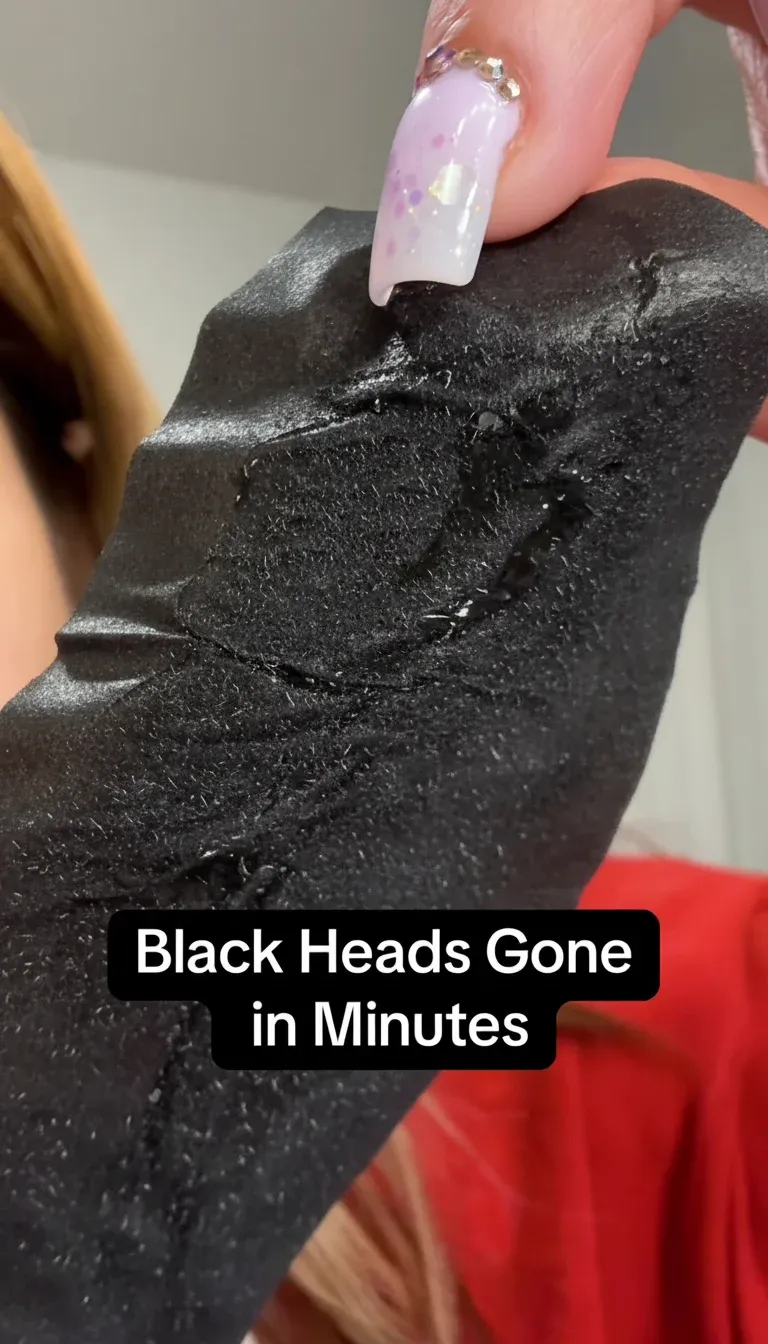
In short: a charcoal peel-off mask earns a switch when the charcoal is doing real work — holding surface oil in the film while it dries — and the formula spreads thin, dries in 15–20 minutes and peels in one piece. If your current strips or bargain black mask fail on coverage, smell or messy removal, those are the three tests a better tube has to pass. Judge it on those, not on the drama of the peel.
Nobody researches a charcoal peel-off mask in a vacuum. In the UK, most buyers arrive here after something else has disappointed: the strips that only ever grip the bridge of the nose, or the bargain black mask that went on in uneven slabs and smelled like a paint tin. By that point the question is sharper than "does it work" — it is what exactly would I be switching to, and how do I tell a better formula from a re-labelled one?
This guide answers that question from the material up: what activated bamboo charcoal actually contributes, which product details separate a well-made tube from a cheap one, and how to run a fair week-one comparison against whatever you use now. If you are still weighing up the peel-off format itself, start with our black peel-off mask UK buyer's guide — this page assumes you know the format and are deciding between products.
What the charcoal is actually for
Activated charcoal — often from bamboo in this category — is carbon processed to be extremely porous. That porosity gives it a very large surface area for its weight, which lets it hold onto oils and surface impurities that come into contact with it. In a peel-off formula it rides inside the film: as the mask dries, the charcoal sits against the skin holding surface sebum, and the whole layer lifts away together when you peel.
Two honest notes stop the marketing running ahead of the material. First, the charcoal works at the surface — it does not "draw toxins" up through skin, and no UK-compliant product should claim it does. Second, charcoal is not the peel itself: the film-former (typically PVA) does the gripping. A tube with impressive charcoal branding but a badly balanced film still tears, sticks or under-dries. The material helps; the formulation decides.
Charcoal peel-off vs what you are using now
Switching decisions are comparisons, so make the comparison explicit. Against the two most common "coming from" products:
- Coming from nose strips: the gain is coverage and fit. A liquid layer follows nostril creases, the chin and the forehead rather than one flat patch, and one tube treats all three zones per session. The trade-off: a 15–20 minute drying wait instead of ten minutes, and technique matters more. The full head-to-head — cost per use included — is in blackhead removal mask vs pore strips.
- Coming from a bargain black mask: the gain is control and finish. The common complaints — harsh solvent smell, slab-thick texture that stays wet in the middle, films that tear into flakes — are formulation failures, not format failures. A better-balanced tube spreads thinner, dries evenly and peels in one sheet, which is the entire difference in daily use.
The switcher's checklist: six things to compare
Product pages all say "removes blackheads"; almost none say which areas a tube covers or how it behaves on the way off. These six criteria are where products actually differ:
- Coverage per application. Does the maker talk about the T-zone specifically — nose, forehead, chin — or just show a full-face slab? Full-face application of a strong peel is neither necessary nor kind to dry cheeks.
- Applicator. A spatula is the difference between a controlled thin layer and product wasted on fingers. It also keeps black pigment out of your nails and off the basin edge.
- Scent. Charcoal itself is nearly odourless; a chemical smell is the rest of the formula talking. If the current mask's smell puts you off using it, this is a legitimate switching reason, not fussiness.
- Drying time honesty. Quality tubes state 15–20 minutes and behave that way at a thin layer. Uneven drying — edges crisp, centre wet — is the signature of a poorly balanced film or a too-thick application.
- Peel integrity. One flexible sheet, not confetti. Formulas balanced with humectants such as glycerine release more cleanly and comfortably than maximum-adhesion bargain films.
- Ingredient disclosure and compliance. A full INCI list and UK/EU cosmetic compliance are the baseline. No list, no purchase — with film-formers you are trusting an adhesive against your face.
Running the numbers on a £24.37 tube
Price-per-tube comparisons flatter multipacks of strips; price-per-covered-area tells the truer story. A strip treats one patch of nose, once. A tube treats nose, forehead and chin per session, with a thin layer being the correct dose — on-site reviewers of the BambooMask Bamboo Charcoal Peel-Off Mask repeatedly note a tube "lasts ages" used weekly on the T-zone, precisely because the spatula keeps each session's usage small.
On the risk side of a switch, the practical cushions are delivery and returns: £24.37 including VAT with free UK delivery (Royal Mail Tracked, UK warehouse) and a 30-day money-back policy, so a formula that disappoints in week one is not sunk cost. It holds a 4.8/5 rating across 379 on-site reviews — read those as user experience at the T-zone job, not as an independent lab verdict.
A fair first-week test
Whatever you switch to, give the comparison a controlled first run: patch test behind the ear 24 hours ahead, then one session — warm-water cleanse, thin spatula layer on the T-zone only, full 15–20 minute dry, peel from the edges towards the centre, rinse and moisturise. Judge it on the six checklist points above plus how skin feels an hour later. Step-by-step detail, including brow and beard boundaries, is in how to use a peel-off face mask.
Frequency stays the same whichever brand wins: once a week for combination skin, twice at most for very oily or congestion-prone skin. And keep expectations material-honest — a charcoal peel lifts surface oil and debris for a matte few days; it does not empty pores permanently, whatever the label art implies.
Frequently Asked Questions
Is bamboo charcoal better than regular activated charcoal?
Both are activated carbon and behave the same way in a film: porous material holding surface oil. Bamboo is a common, fast-growing source in this category; the formulation around the charcoal matters far more than the plant it started as.
Why does my current black mask smell so strong?
The smell is the carrier formula, not the charcoal — charcoal is nearly odourless. A strong solvent note usually accompanies bargain film-formers; it is a fair reason to switch and a useful quality signal when comparing tubes.
Can I use a charcoal peel-off mask on dry cheeks?
Better not to. The format is built for oily zones; on dry or reactive areas the film's grip is more traction than benefit. Keep it to the T-zone and let moisturiser handle the cheeks.
How many uses should a tube give me?
Applied thinly to the T-zone weekly, a tube stretches a long way — thin layers are both the correct technique and the economical one. If you are emptying a tube in a month, the layers are too thick to dry properly anyway.
Ready to experience the BambooMask glow?
Shop Now — £24.37