Do Peel-Off Masks Work on Blackheads? A UK Reality Check
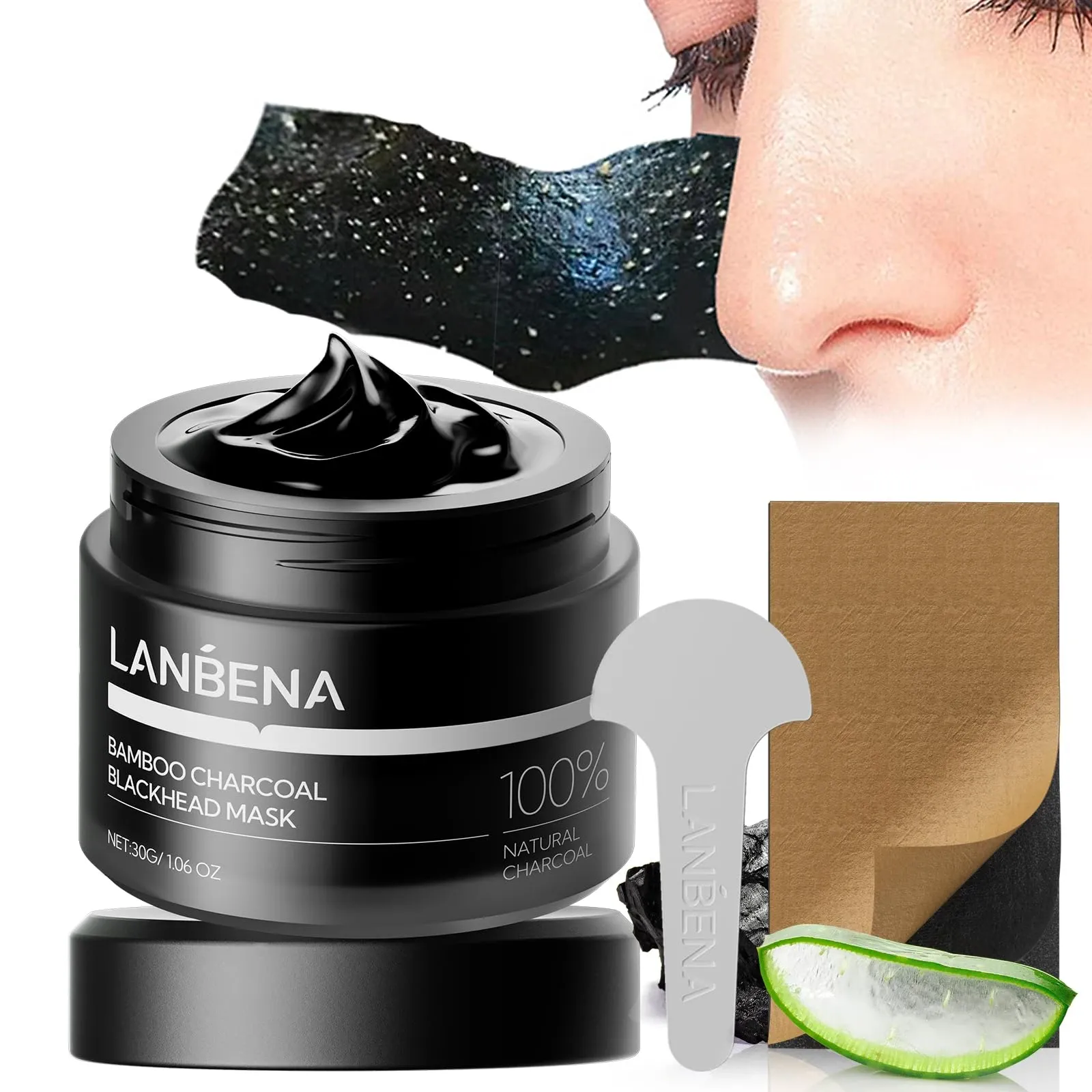
The short answer: partly — and it pays to know which part. A peel-off mask genuinely lifts away surface oil, loose dead skin and the exposed tops of pore blockages, so a congested T-zone looks cleaner straight away. What it cannot do is empty a pore from the bottom or stop blackheads re-forming. Most of the satisfying "gunk" on a peeled film is surface debris and sebaceous filaments, not whole blackheads.
If you are considering a peel-off mask for the first time, you have probably seen the videos: a black sheet comes away covered in tiny dots, and the caption declares every pore emptied. Before spending money on the strength of that image, it is worth asking the plain question — do peel-off masks work on blackheads, or is the visual doing all the persuading?
This article stays on that one question. What the film actually grabs, what stays behind, why results fade, and the situations where a peel-off genuinely earns its place. If you are past the "does it work" stage and comparing products, our black peel-off mask UK buyer's guide handles the choosing.
What a peel-off mask actually removes
A peel-off mask is a film-former. Spread thinly over the skin, it dries into a flexible layer that bonds to whatever sits at or just above the surface. Peel it away and it takes that top layer of material with it:
- Oxidised surface oil — the sebum sitting at pore openings, including the darkened tops of blackheads.
- Loose dead skin cells — which is why skin feels smoother immediately afterwards.
- Sebaceous filaments — the pale, pin-like dots most visible on the nose. These are a normal feature of oily skin, not blackheads, and they make up much of what you see on a used film.
- Fine vellus hair and day-to-day grime — incidental, but part of the "clean" feeling.
In charcoal versions, the black colour comes from activated charcoal blended into the film, valued for how well it holds onto oil as the mask sets. The result is a T-zone that looks more matte and feels smoother — a real effect, visible the same day.
What it cannot reach
A blackhead is an open comedone: a pore plugged with oil and dead skin that has oxidised dark at the surface. The NHS classes blackheads as one of the six main spot types in acne, and the key detail is where the plug sits — inside the pore canal, often a millimetre or more deep.
A drying film grips what is exposed. It can lift the oxidised cap of a plug and any material standing proud of the pore, but it has no way to pull the full column of a well-established comedone out of the follicle. That is why, after an impressive first peel, the same dots often reappear in the same places within days: the lower part of the plug was never removed, and sebum keeps flowing.
Two honest implications follow. First, a peel-off mask is a surface treatment — good at instant presentation, not a root-cause fix. Second, anything promising to "permanently remove blackheads" or "shrink pores for good" is overclaiming, whatever the format.
Why the peel still looks so convincing
The classic first-timer trap is judging the product by the film. A used peel is genuinely covered in debris — but as the list above shows, most of it is oil, dead skin and filament tips rather than extracted comedones. The visual is real; the interpretation is where people get misled.
A more reliable test is your skin a day later: less midday shine, a smoother nose tip, make-up sitting better around the nostrils. Those are the outcomes a surface treatment can honestly deliver, and for an oily T-zone they are worth having — as long as you were not expecting the peel to end blackheads outright.
When a peel-off mask genuinely helps
Used correctly, the format earns its place in three situations:
- Recurring surface congestion on an oily T-zone. A weekly peel clears the build-up that makes nose and chin look grubby between cleanses — including in the nostril creases that single-use strips never quite reach.
- A visible reset before you need skin to look its best. The matte, smoother finish lasts days, which is precisely what a quick pre-weekend tidy-up calls for.
- Replacing squeezing. If your current method is fingernails, a peel is the less damaging habit: no pressure marks, no broken skin around the nose.
Where it will not help: deep, long-established comedones, inflamed or active breakouts, and dry or reactive skin — the film's grip is simply too much traction for a compromised barrier. Very sensitive or rosacea-prone skin should patch test first and consider nose-only use.
For the blockages a film cannot reach, UK pharmacists and skin guidance point the same way: a salicylic acid (BHA) product used consistently, since it works inside the pore rather than on top of it. The peel handles presentation; the acid works on cause. They pair well precisely because they do different jobs.
Getting the honest version of the result
If you do use one, technique decides most of the outcome. The essentials: cleanse with warm water first, apply a thin, even layer to the nose, forehead and chin only, wait the full 15–20 minutes until completely dry, then peel gently from the edges towards the centre and rinse the residue. Thick patches are the classic first-timer mistake — they stay wet in the middle and tear on removal. The full routine, including brow and hairline boundaries, is in our how to use a peel-off face mask guide.
Frequency has a ceiling, too: once a week for combination skin, twice at most for very oily or congestion-prone skin. Peeling harder or more often does not reach deeper — it just irritates the surface you are trying to improve.
On product choice, this site sells one: the BambooMask Bamboo Charcoal Peel-Off Mask at £24.37 with free UK delivery, which includes a silicone spatula precisely because thin, even layers are what make the format work. Whether a peel-off suits you at all is the decision this article is for; the buying comparison lives in the buyer's guide, and if you are weighing the format against nose strips, see blackhead removal mask vs pore strips.
Frequently Asked Questions
Do peel-off masks remove sebaceous filaments?
They lift the exposed tips, which is why the nose looks clearer immediately after. Filaments are a normal part of oily skin and refill over days to weeks — no product removes them permanently.
How long do the results last?
Typically a few days to a week. Sebum production continues, so surface oil and dots gradually rebuild — faster in polluted urban air or centrally heated rooms. A weekly rhythm matches how quickly the effect fades.
Can a peel-off mask make blackheads worse?
Used within the recommended frequency on intact skin, no. Over-peeling or using it on irritated skin can inflame the area, which makes congestion look angrier. Stop if you see lasting redness or feel burning.
Is there anything that removes deep blackheads at home?
Consistent salicylic acid (BHA) use softens and clears plugs from inside the pore over weeks, and it is the standard first recommendation in UK pharmacy advice. Stubborn individual comedones are better handled by a professional than by force at home.
Ready to experience the BambooMask glow?
Shop Now — £24.37